Understanding Fireplace Ventilation: Key Considerations for Safe Installations Mar 07, 2026
Fireplaces are celebrated for their aesthetic appeal and warmth, but without proper ventilation, they can pose serious risks, such as carbon monoxide buildup or structural damage. Ventilation is crucial as it prevents smoke from entering living spaces and ensures harmful gases are expelled appropriately.
There are three main types of fireplace ventilation: natural ventilation, direct-vent, and ventless systems. Each has distinct characteristics, benefits, and considerations.
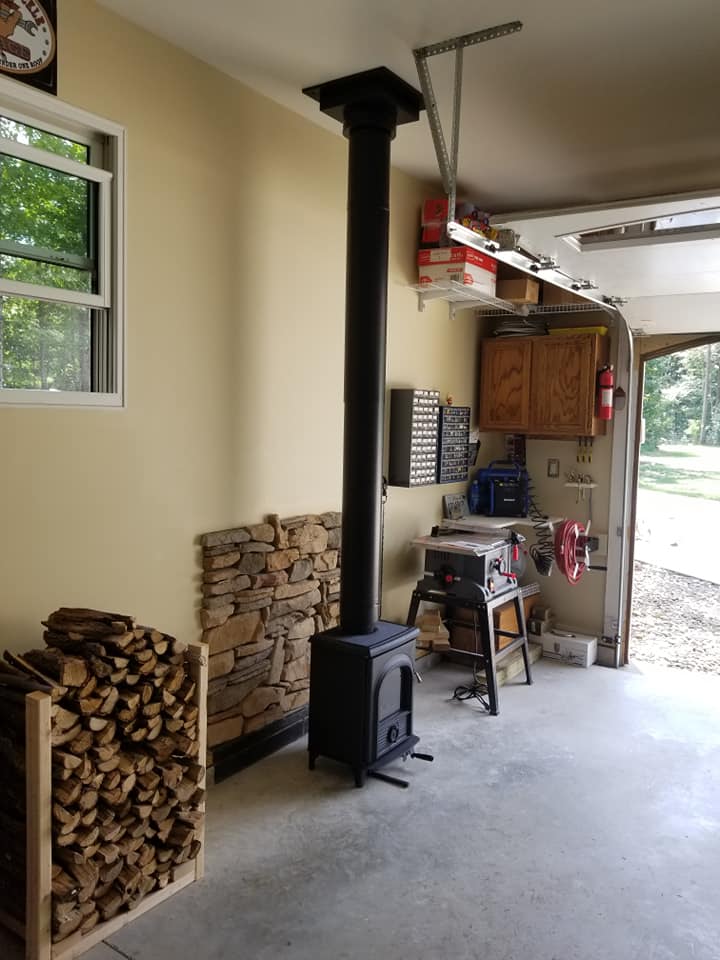
Natural ventilation fireplaces, often traditional wood-burning or open-hearth designs, rely on a chimney to direct smoke upward and out of the building. They offer a classic fire experience, but it's vital to ensure the chimney is clear and well-maintained. Regular cleaning and inspections can prevent blockages caused by creosote buildup, which can cause dangerous chimney fires.
Direct-vent fireplaces use a two-pipe system that draws air from outside for combustion and expels exhaust gases outdoors. This setting prevents drafts and air quality issues within the home. Ideal for modern builds, direct-vent systems offer efficient heating and are often sealed, reducing heat loss and maintaining indoor air quality.
Ventless fireplaces, also known as vent-free fireplaces, burn gas or propane to produce heat while keeping combustion byproducts minimal. With no chimney or flue, they are attractive for renovations or additions. The absence of a venting structure simplifies installation and placement options. However, they require adequate room ventilation and are subject to stringent building codes for safety. It's vital to consult with professionals about these systems to ensure they suit your living environment and meet legal requirements.
Proper fireplace ventilation doesn't end with selecting the right system. Regular maintenance and checks are fundamental. Ensure your system's vents, flues, and chimneys are clean and functional. This prevents carbon monoxide build-up and maximizes energy efficiency.
Moreover, install carbon monoxide detectors near your fireplace and in sleeping areas to guarantee safety. Regularly test these devices to ensure they are functional, providing you with peace of mind that any potential leaks are immediately detected.
Selecting the right fireplace installation company is crucial to accessing expert knowledge and reliable service. At Flynn Inc., our team is equipped to evaluate your space, recommend the best ventilation solutions, and handle every aspect of the installation with precision and care. Our commitment extends beyond the initial installation—we offer continued support for maintenance and advice to keep your fireplace running efficiently and safely.
Fireplace ventilation is a multifaceted aspect of fireplace installations that requires careful consideration and professional guidance. By understanding the types and importance of ventilation, you can enjoy the warmth and beauty of your fireplace without worry. For any questions or services relating to fireplace installations or ventilation, Flynn Inc. is ready to assist, with skilled professionals eager to help you create a safe, cozy haven in your home.
/filters:no_upscale()/filters:format(webp)/media/496b1e5a-a083-4f0a-bf34-7f089842bf35.jpg)
/filters:no_upscale()/filters:format(webp)/media/36291243-1ede-4914-846d-476d2bfb537f.jpg)