Navigating the Fire: Safety Tips and Tricks for Effective Fireplace Installations Jun 16, 2026
When considering any fireplace installation, understanding the local regulations and building codes is crucial. These rules are designed to ensure safety and mitigate risks associated with fire and smoke. Therefore, the first step in a successful and secure installation process is to consult your local fire department or a certified fireplace professional. These experts can provide insights specific to your region that could affect design choices, such as the type of venting system required or the distance your fireplace should maintain from combustible materials.
Choosing the right fireplace type and location also plays a key role in safety and efficiency. Fireplaces come in various styles and fuel types, including wood-burning, gas, and electric. Each variety has unique installation and safety requirements. For instance, gas fireplaces are generally more efficient and cleaner, but they must be properly vented to avoid carbon monoxide buildup. Conversely, wood-burning fireplaces require regular maintenance to prevent creosote accumulation, which can lead to chimney fires. Additionally, the location of your fireplace should allow optimal heat distribution and maintain safe clearance from furniture and draperies.
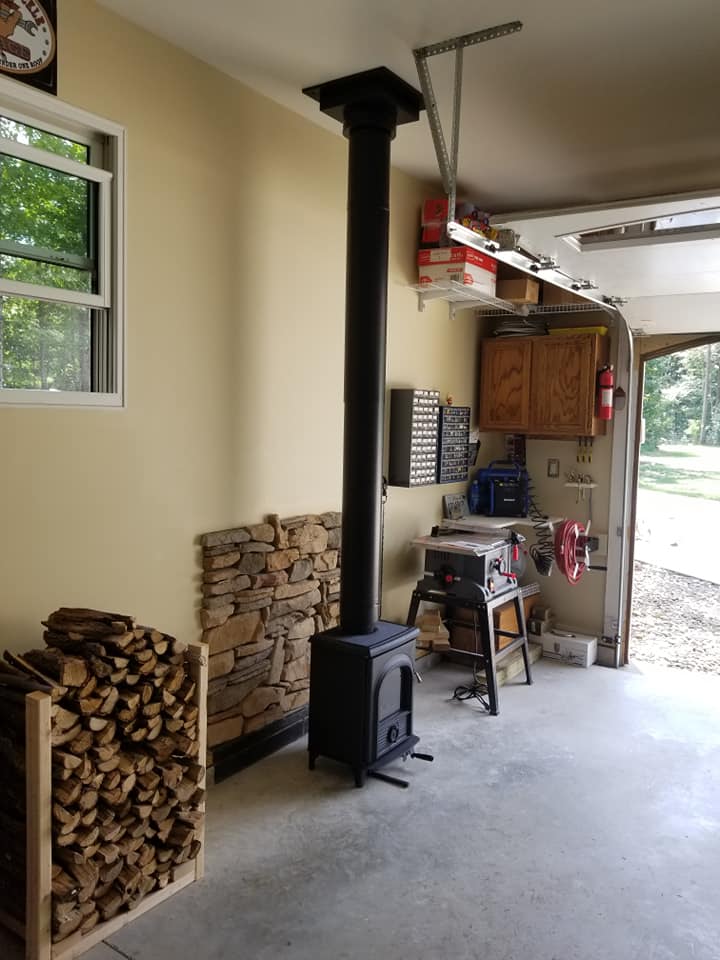
Once you’ve selected your fireplace and its location, proper installation becomes paramount. For wood-burning fireplaces, ensuring the chimney is correctly constructed and lined is essential to prevent structural fires. Employing a professional installer or a service like Flynn Inc. can greatly reduce the risk of installation errors. Certified professionals will ensure that every aspect, from the firebox to the hearth, aligns with safety standards.
After installation, regular maintenance is key to the longevity and safety of your fireplace. For any fireplace type, arranging an annual inspection and cleaning is a non-negotiable requirement. This maintenance ensures that all parts function properly and that the fireplace is not compromised by wear and tear. For wood-burning fireplaces, this includes professional chimney sweeping to prevent dangerous soot and creosote buildups. Meanwhile, gas fireplaces need regular checks on the vents and gas line to catch any potential leaks.
Lastly, practical safety habits should always accompany fireplace use. Always keep a fire extinguisher nearby, and familiarize all house members with emergency procedures in case of a fire. Installing smoke and carbon monoxide detectors will add another layer of protection, alerting you early to potential dangers.
In conclusion, effective fireplace installations require a combination of informed decision-making, professional expertise, and ongoing maintenance. By following these guidelines and applying diligence throughout the process, you can safely enjoy the charm and warmth of your new fireplace. Whether you’re contemplating installation or seeking to upgrade an existing setup, Flynn Inc. stands ready to assist with expert advice and services tailored to enhance both the safety and enjoyment of your home's hearth. Consult with our experts to discover how we can provide peace of mind alongside the comfort of a safe, well-installed fireplace.
/filters:no_upscale()/filters:format(webp)/media/496b1e5a-a083-4f0a-bf34-7f089842bf35.jpg)
/filters:no_upscale()/filters:format(webp)/media/36291243-1ede-4914-846d-476d2bfb537f.jpg)