Integrating Fireplaces into Sustainable Home Designs: A Modern Approach Apr 13, 2026
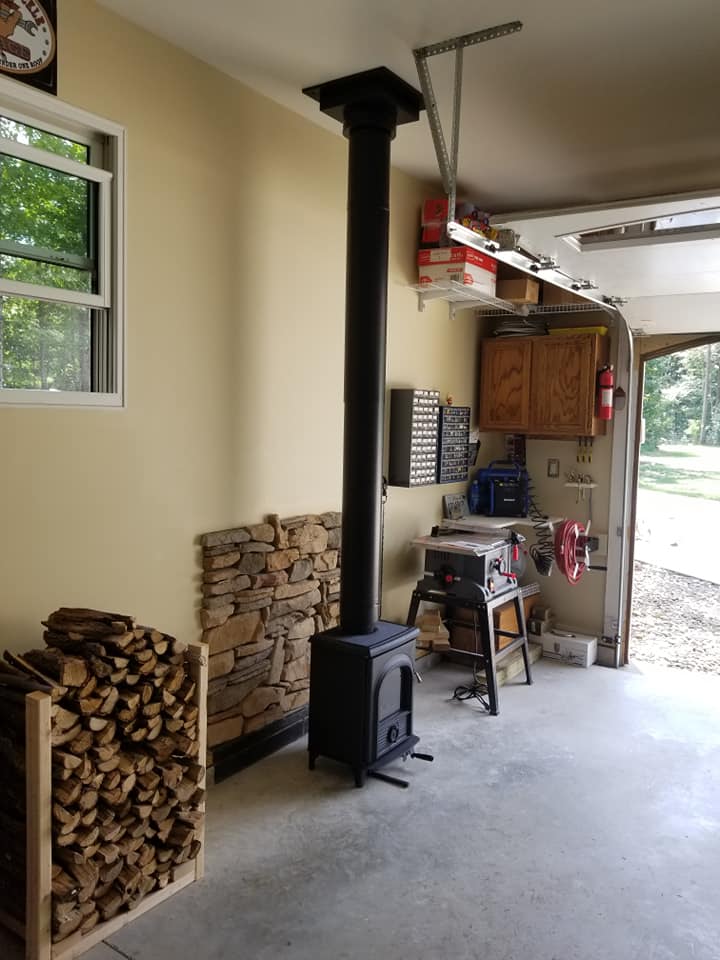
Sustainability in home design focuses on reducing environmental impact while maximizing energy efficiency. In this context, choosing the right type of fireplace is crucial. Traditional wood-burning fireplaces, while nostalgic, often produce significant emissions. Instead, consider more sustainable options like gas fireplaces, electric fireplaces, or even advanced wood stoves designed with emission-reduction technology. These alternatives offer the warmth and aesthetic appeal of a traditional fireplace, without the associated environmental impact.
Gas fireplaces, for example, have become increasingly popular due to their efficiency and lower emissions. They are easy to use and can often be integrated with smart home systems, allowing homeowners to control their fireplaces remotely, optimizing energy use. Electric fireplaces, while initially increasing electricity consumption, can also be powered by renewable energy sources such as solar panels, enhancing their sustainability quotient.
When considering the installation of a fireplace in a sustainable home design, also pay attention to the materials used. Reclaimed wood and recycled metal are excellent choices for constructing the fireplace mantel or surround, as they reduce the demand for new resources. Additionally, using locally sourced materials can dramatically decrease the carbon footprint associated with transportation.
Design also plays a pivotal role in the sustainable integration of fireplaces. An open floor plan can promote efficient heat distribution, reducing the need for additional heating. Furthermore, strategically placing the fireplace in a central location ensures that warmth is evenly dispersed throughout the living space.
Incorporating modern technology can enhance the sustainability of fireplaces. Smart thermostats, for example, can be connected to the fireplace to automatically adjust settings based on room temperature, ensuring that energy isn’t wasted. Some fireplaces also come equipped with blowers that circulate heat, reducing the need for supplementary heating systems.
Moreover, maintenance is key to ensuring the ongoing efficiency of fireplaces. Regular cleaning of chimneys and flues in traditional models, or ensuring that electric and gas units are operating correctly, can keep them running efficiently and safely. Flynn Inc. recommends scheduling annual inspections to address any potential efficiency issues before they escalate.
Choosing Flynn Inc. for your fireplace installation offers further sustainability benefits. With a commitment to quality craftsmanship and eco-friendly practices, Flynn Inc. ensures that each installation not only meets aesthetic and functional needs but also aligns with the broader goals of environmental stewardship.
As we move towards more sustainable living practices, the integration of fireplaces into eco-friendly home designs remains a promising area of innovation. By selecting the right type of fireplace, utilizing sustainable materials, and incorporating advanced technology, homeowners can enjoy all the benefits of a cozy fireplace while remaining committed to reducing their environmental impact. Through careful planning and informed choices, fireplaces can indeed become a harmonious part of sustainable home design.
/filters:no_upscale()/filters:format(webp)/media/496b1e5a-a083-4f0a-bf34-7f089842bf35.jpg)
/filters:no_upscale()/filters:format(webp)/media/36291243-1ede-4914-846d-476d2bfb537f.jpg)